
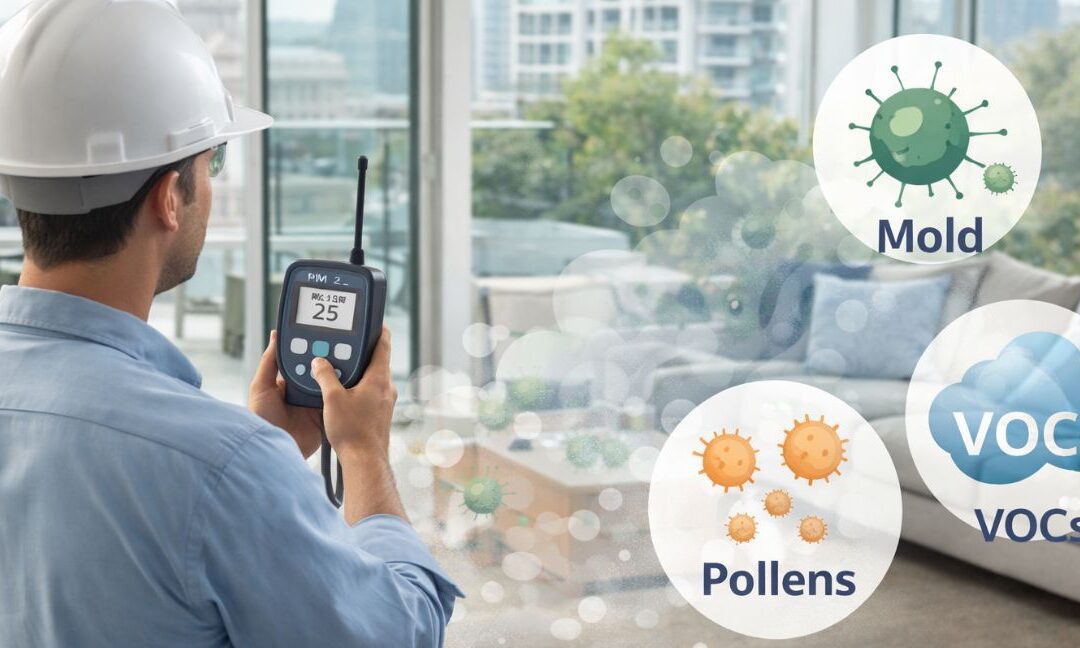
Indoor air quality is something many homeowners in Austin don’t think about—until symptoms start appearing. While outdoor pollution often gets the most attention, indoor air can sometimes contain even higher concentrations of pollutants. From seasonal allergens to hidden mold and airborne chemicals, poor air quality can impact comfort, health, and overall well-being.
That’s where professional air quality testing becomes important. Instead of guessing what might be circulating inside your home, proper testing identifies specific pollutants and provides clear answers. If you’re unsure whether your home needs testing, here are the key signs to watch for.
1. Persistent Allergy Symptoms Indoors
Austin’s climate brings pollen, dust, and seasonal allergens throughout the year. However, if sneezing, itchy eyes, coughing, or sinus irritation continue even while indoors, the issue may not just be outdoor exposure.
Indoor pollutants such as dust mites, pet dander, mold spores, and volatile organic compounds (VOCs) can accumulate over time. If symptoms improve when leaving the house but return indoors, it may be time to consider professional air quality testing to identify the source.
2. Unexplained Headaches or Fatigue
Poor indoor air can cause subtle but ongoing symptoms like headaches, dizziness, fatigue, or difficulty concentrating. These issues are sometimes linked to carbon monoxide leaks, chemical pollutants, or improper ventilation.
Testing helps determine whether air circulation is sufficient and whether harmful particles are present. Identifying the cause early prevents long-term health concerns.
3. Musty Odors or Mold Concerns
Austin’s humidity levels create an environment where mold can develop in hidden areas such as ductwork, attics, and behind walls. A persistent musty smell often indicates moisture problems.
Visible mold is an obvious sign, but mold spores can spread through the air long before they are seen. Professional air quality testing detects airborne mold particles and pinpoints problem areas so they can be addressed properly.
4. Recent Renovations or Construction
Home remodeling projects often release dust, adhesives, paint fumes, and construction debris into the air. These pollutants can linger for weeks or even months after the project is completed.
If your home has recently undergone renovations, testing ensures that the indoor air is safe and free from harmful chemical residues.
5. Increased Dust Accumulation
If surfaces seem to collect dust more quickly than usual, your HVAC system may not be filtering air effectively. Poor filtration or duct issues can circulate dust continuously.
Testing can evaluate particle levels and determine whether system upgrades or filtration improvements are necessary.
6. Respiratory Issues or Asthma Flare-Ups
For households with children, elderly individuals, or anyone with asthma, indoor air quality is especially important. Poor air conditions can trigger breathing problems and worsen respiratory conditions.
Testing provides measurable data about airborne irritants and allergens, allowing homeowners to make informed decisions about improvements.
7. Uneven Airflow or Poor Ventilation
Proper ventilation ensures that fresh air circulates and pollutants are removed. If certain rooms feel stuffy or humidity levels remain high, ventilation may be insufficient.
A professional evaluation helps determine whether HVAC adjustments, improved filtration, or additional air purification solutions are needed.
8. HVAC System Not Maintained Regularly
An HVAC system plays a central role in maintaining indoor air quality. Dirty coils, clogged filters, or neglected ductwork can contribute to poor air circulation.
Homeowners who have not scheduled routine maintenance may benefit from combining professional air quality testing with an HVAC inspection. Services such as Air Conditioning Austin Solutions help ensure that cooling systems are functioning efficiently while supporting cleaner indoor air.
9. Household Members Frequently Getting Sick
If multiple people in the household experience recurring colds, coughs, or throat irritation, poor air quality could be a contributing factor.
Testing identifies bacteria, mold spores, and airborne contaminants that may be affecting immune health. Addressing the root cause can significantly improve comfort and overall wellness.
10. Buying or Selling a Home in Austin
When purchasing a home, air quality testing provides peace of mind. Hidden issues like mold or ventilation problems can lead to unexpected expenses later.
Sellers may also benefit from testing, as a clean air report can build trust and strengthen property value.
What Does Professional Air Quality Testing Include?
Professional testing goes beyond basic at-home kits. Certified specialists use advanced tools to measure:
- Mold spores
- Carbon monoxide levels
- Volatile organic compounds
- Airborne particulates
- Humidity levels
- Ventilation efficiency
The results provide a clear picture of indoor air conditions and allow for targeted solutions.
Why Austin Homes Face Unique Air Quality Challenges
Austin’s combination of heat, humidity, pollen, and urban development creates unique indoor air concerns. Seasonal allergies are common, and high moisture levels increase the likelihood of mold growth.
Additionally, growing traffic and construction activity can introduce pollutants that enter homes through ventilation systems. Regular evaluation ensures indoor air remains safe and breathable year-round.
Solutions After Air Quality Testing
Once testing identifies issues, solutions may include:
- Upgrading air filters
- Installing air purifiers
- Improving duct sealing
- Enhancing ventilation systems
- Addressing moisture or mold sources
- Scheduling HVAC maintenance
Professional recommendations ensure that improvements are targeted and effective.
When to Schedule Testing
Consider scheduling professional air quality testing if:
- Symptoms persist without explanation
- The home feels consistently humid
- There has been recent water damage
- Renovations were recently completed
- Mold concerns are suspected
- Air quality has never been evaluated
Routine testing can also be part of preventive home maintenance.
The Importance of Working with Experienced Professionals
Accurate testing requires expertise and proper equipment. A certified Indoor Air Quality Expert understands how to interpret data and recommend appropriate solutions tailored to Austin’s climate.
Partnering with experienced professionals ensures reliable results and long-term improvements in air quality.
Final Thoughts
Indoor air quality directly impacts health, comfort, and overall home safety. In Austin’s climate, where humidity and allergens are common, staying proactive is essential.
If you notice persistent symptoms, unusual odors, or ventilation concerns, scheduling professional air quality testing provides clarity and peace of mind. Identifying potential issues early allows for effective solutions that improve comfort and protect household health.
Maintaining clean indoor air isn’t just about comfort—it’s about creating a healthier living environment for everyone inside the home.