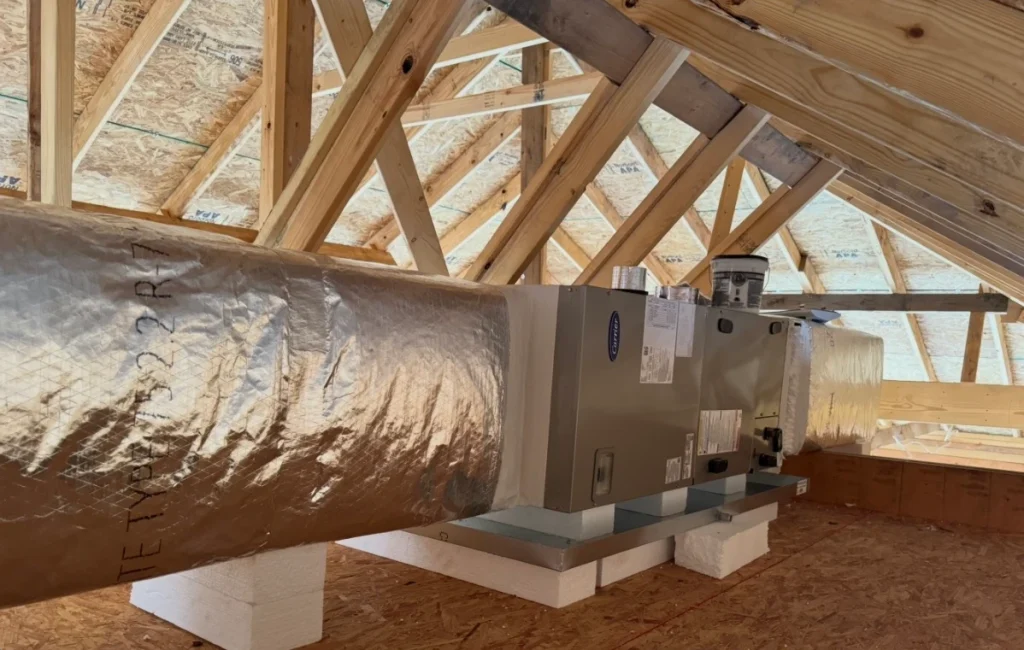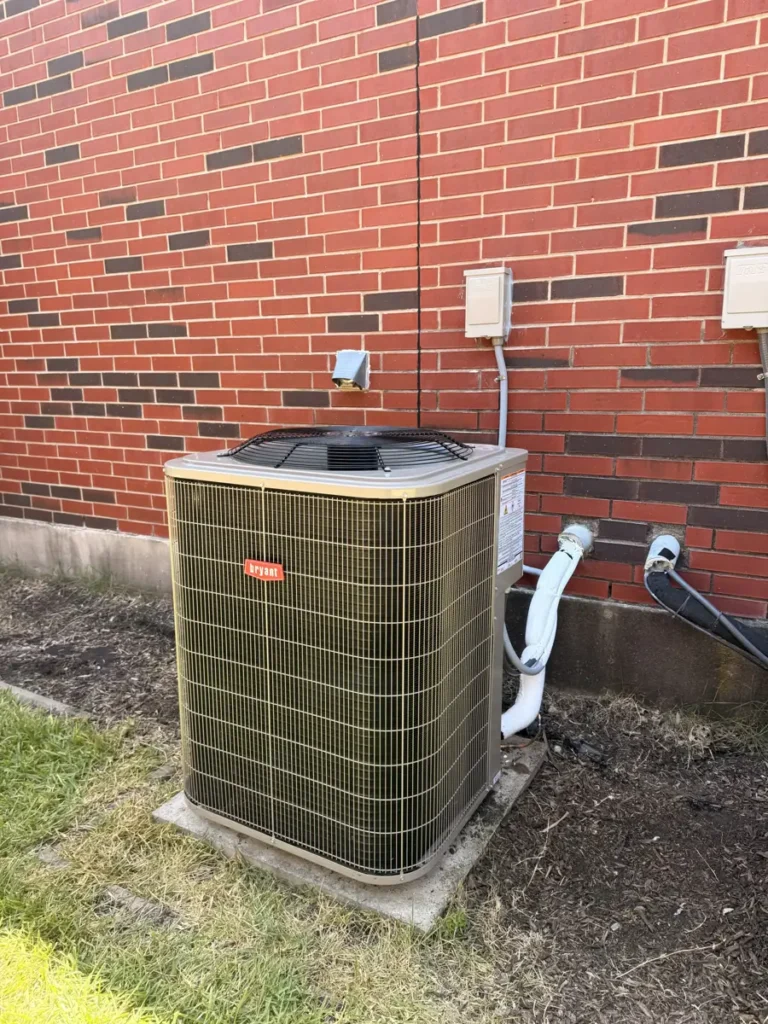
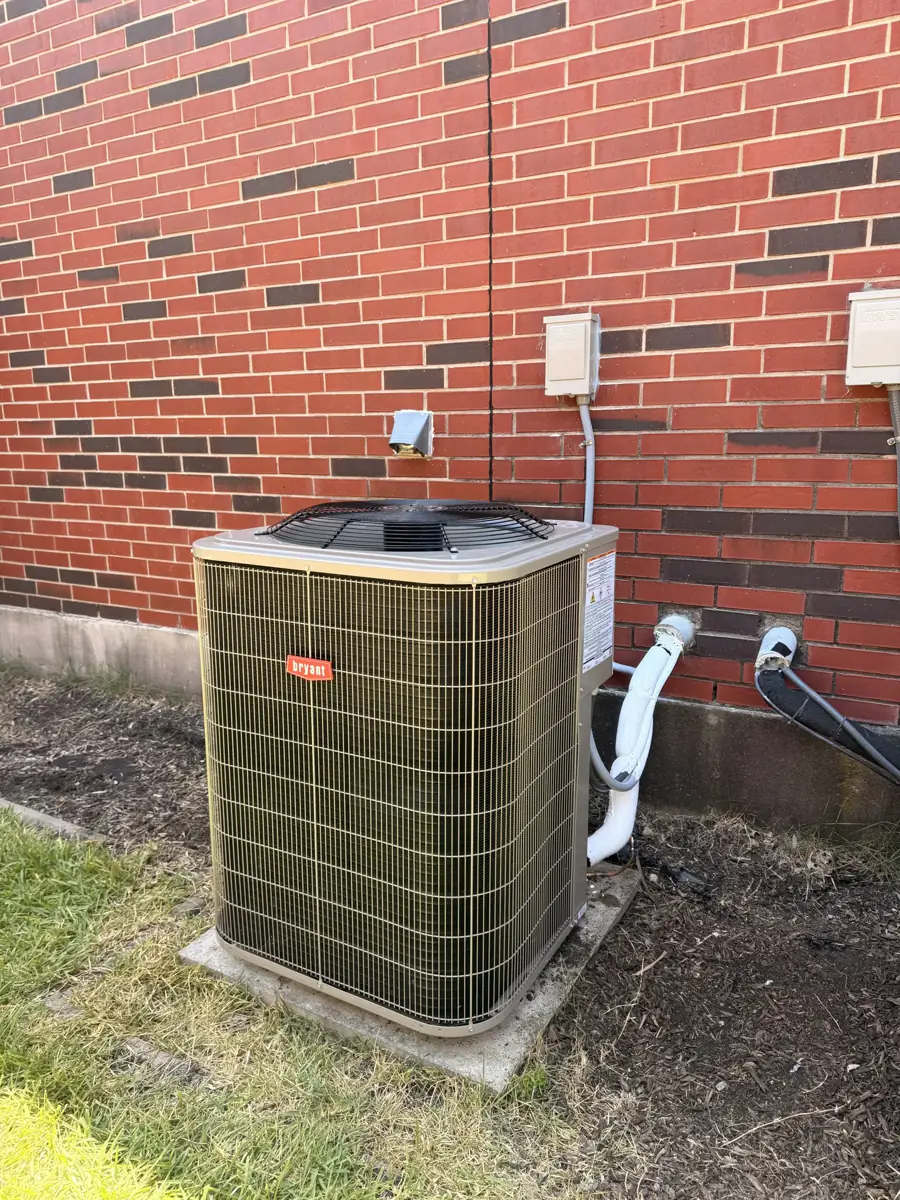
When you hear your air conditioner running constantly during a scorching Central Texas afternoon yet indoor temperatures continue creeping upward, your system is suffering from a heat transfer breakdown or an airflow restriction. Common culprits include clogged air filters, iced-over evaporator coils, tripped float switches caused by clogged condensate drain lines, dirty outdoor condenser fins, or a refrigerant leak. To troubleshoot an ac not cooling pflugerville residence quickly, first check your thermostat settings, inspect the air filter, and verify your circuit breakers. However, if the larger copper line outside is dry or warm, or if ice has formed across the indoor air handler, immediately shut the system down to protect the compressor from permanent burnout and contact a field-certified technician for diagnostics.
Understanding Why Your Cooling System Struggles
Living in Pflugerville means asking your air conditioner to battle triple-digit heat waves for months on end. Consequently, nothing feels quite as stressful as walking through your front door after a long day on the job only to realize your home feels muggy, stuffy, and warm. Furthermore, hearing the outdoor unit hum while the indoor vents blow lukewarm air is one of the most frustrating experiences a homeowner can face.
Because your air conditioner does not actually create cold air but rather absorbs heat from your living areas and dumps it outside, any disruption in airflow, electrical signaling, or refrigerant balance stops the entire cycle. As a result, your system runs without stopping, wasting significant amounts of electricity while your indoor comfort drops. Below, we break down what is happening inside your system and what steps you should take right now.
The First Quick Checks When You Face an AC Not Cooling Pflugerville Home
Before jumping to the worst-case scenario, it helps to eliminate simple operational oversights that frequently mimic major mechanical breakdowns. In fact, many service calls start with quick thermostat corrections that restore cooling within minutes.
Check Thermostat Settings and Fan Modes
First and foremost, verify that your thermostat is set to “Cool” rather than “Heat” or “Off.” Additionally, ensure the fan switch is set to “Auto” instead of “On.” When set to “On,” the indoor blower fan runs twenty-four hours a day, circulating unconditioned, humid air throughout your rooms even when the cooling compressor is resting between cycles.
Inspect the Electrical Breaker Panel
Central cooling systems rely on two separate electrical feeds: one powering the indoor air handler and another powering the outdoor condenser unit. Therefore, a power surge can trip the outdoor breaker while leaving the indoor fan running. If you find a tripped breaker, reset it once. However, if it trips a second time immediately, leave it off to prevent electrical fire hazards.
Airflow Obstructions: How Dirty Filters Choke Central Texas Units
In our local service area, dust, pet dander, and seasonal pollen rapidly build up across return air vents. Whenever a filter becomes packed with debris, the blower motor cannot pull sufficient air across the cold evaporator coil.
Consequently, the refrigerant inside the coil cannot absorb indoor heat. This causes the coil temperature to drop below thirty-two degrees, freezing the moisture in the air into a solid block of ice. Once ice forms, air cannot pass through the ducts at all. According to consumer guidance from the Department of Energy Home Cooling division, maintaining unobstructed airflow and clean filtration is one of the single most effective ways to avoid cooling system lockouts and excess energy consumption.
Refrigerant Leaks and Why Low Coolant Stops Heat Transfer
Air conditioners operate in a closed, pressurized loop. Under normal conditions, a system never consumes or burns through refrigerant. Thus, if your system is low on charge, a physical leak exists within the copper tubing, service valves, or coil connections.
Besides blowing warm air, a low refrigerant charge causes hissing or bubbling noises near the indoor air handler. In addition, running a unit low on refrigerant puts tremendous strain on the compressor motor, eventually causing mechanical seizure. When addressing an ac not cooling pflugerville situation tied to refrigerant loss, never settle for a simple “top-off.” An honest, engineering-first repair always locates and seals the leak before recharging the system to factory specifications.
Electrical and Component Failures Behind an AC Not Cooling Pflugerville Property
Modern HVAC equipment relies on sensitive electronic controls that must withstand extreme attic and outdoor temperatures throughout July and August. Over time, heat fatigue degrades these components.
Failed Run Capacitors
Capacitors act like small batteries that store power and deliver continuous torque to keep fan motors and compressors spinning smoothly. When a capacitor bulges or blows out, the outdoor fan or compressor motor cannot start, leaving you with lukewarm air indoors.
Contactor and Relay Wear
The outdoor contactor switch closes whenever the thermostat calls for cooling. Because high electrical current arcs across these contacts thousands of times each summer, the contact points can pit, burn, or get stuck with debris, preventing high voltage from reaching the compressor.
Frozen Evaporator Coils: Causes, Dangers, and Immediate Steps
Discovering ice on your indoor cooling coil or along the insulated copper suction line outside requires immediate attention. Continuing to run the system with frozen coils can force liquid refrigerant back into the compressor, which destroys the internal valves.
If you see frost or ice, turn the thermostat system setting to “Off” and set the fan setting to “On.” This allows the room-temperature air to melt the ice safely without damaging electrical parts. Be sure to check your drain pan, because melting ice can overwhelm a slow drain line and trigger ceiling water damage.
Outdoor Condenser Coil Problems in Hot Summer Weather
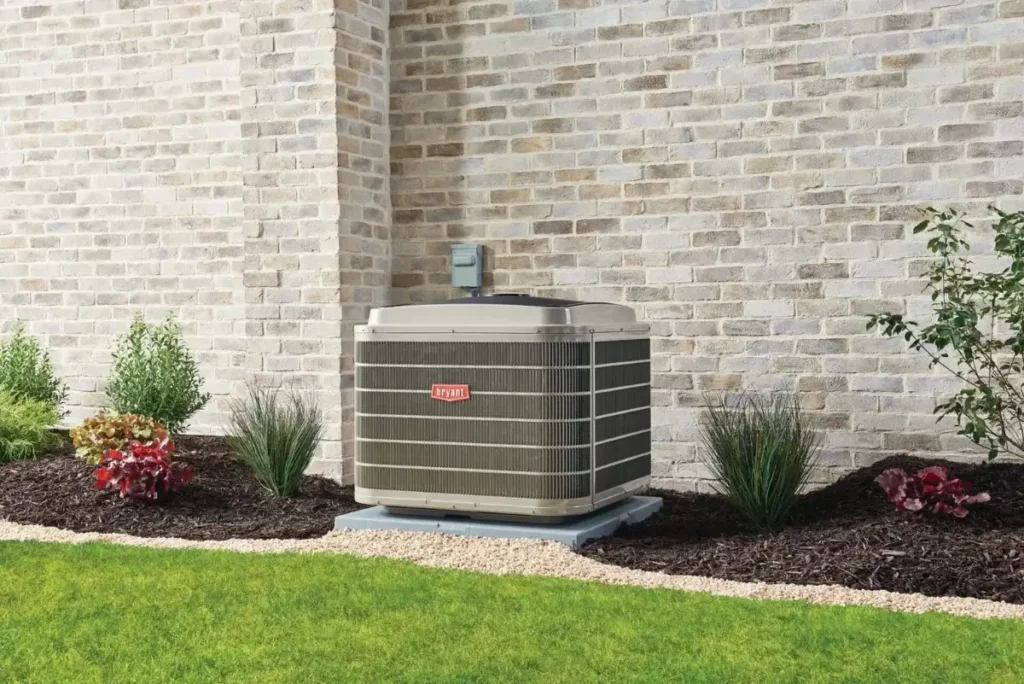
The outdoor unit sitting by your foundation or patio has the demanding job of dumping all the heat extracted from your home into the hot outdoor air. However, lawn clippings, leaves, dirt, and cottonwood seeds regularly coat the thin aluminum fins.
When condenser coils are dirty, heat cannot escape efficiently. As a result, head pressure inside the system spikes, triggering internal safety switches that shut down the cooling cycle prematurely. Keeping at least two feet of clear clearance around the outdoor unit and scheduling regular chemical coil washings protects both your equipment and your monthly budget.
Professional Diagnostic Standards for Long-Term System Reliability
While DIY filter checks and breaker resets are helpful first steps, identifying the exact electrical and mechanical root cause requires specialized diagnostic equipment. A master technician uses digital manifold gauges to read subcooling and superheat levels, electrical multimeters to test motor windings, and airflow anemometers to verify static duct pressure.
Instead of guessing or pushing unnecessary full-system replacements, choosing an independent local specialist ensures that every repair is evaluated transparently. If your system is failing to keep up with the summer heat, explore our dedicated AC repair Pflugerville services to get your home cool, dry, and comfortable again without delay.
Next Steps
Dealing with an air conditioner that runs without cooling is both uncomfortable and risky for your equipment’s longevity. By inspecting your air filter, verifying thermostat settings, and checking for frozen lines early, you can prevent minor issues from turning into expensive compressor replacements. Whenever troubleshooting points toward electrical failures, clogged coils, or refrigerant leaks, our local, licensed team at On Air HVAC is ready to help with transparent, engineering-first service built for Central Texas homes. Call us today at (512) 598-1315 or book your appointment online for dependable cooling care.