
When your central air conditioning stops working entirely on a hot afternoon, start by checking your thermostat display, inspecting electrical breakers, and examining the condensate float switch. A full system shutdown is commonly triggered by a tripped breaker, a clogged condensate drain line holding standing water in the drain pan, a dead thermostat battery, or a blown low-voltage fuse on the indoor control board. To address an ac not working pflugerville breakdown safely, verify that your thermostat is set to “Cool” and inspect the safety switch on the indoor drain line. If electrical resets fail or the outdoor unit hums without starting, shut power off at the disconnect box and call a licensed local HVAC technician for immediate diagnostic repair.
Immediate Action Steps When Your System Shuts Down
Few domestic emergencies cause immediate stress quite like total air conditioning failure in the middle of a Texas summer. In just a couple of hours, indoor temperatures can climb past eighty-five degrees, turning your home into an oven and creating an uncomfortable, unsafe environment for children and pets.
However, when your air conditioner goes completely silent or refuses to engage, the cause is often an automated safety control stepping in to protect your home or equipment from catastrophic damage. Taking a calm, methodical approach to troubleshooting helps you determine whether you are dealing with a simple switch reset or a mechanical breakdown requiring specialized field tools.
Thermostat Diagnostics: Simple Power and Signal Failures
Because the thermostat serves as the central command center for your entire heating and cooling system, any power interruption at the wall unit halts all cooling operations immediately.
Blank Thermostat Screens
If your digital thermostat display is completely blank, start by opening the battery compartment. Many digital models rely on AA or AAA alkaline batteries for backup power; replacing dead batteries often restores communication with the air handler instantly.
Wiring and Sub-base Connections
If the display has power but the system does not respond when you lower the temperature setting, remove the thermostat faceplate carefully. Ensure that the low-voltage wires (especially the red power wire and yellow cooling wire) are firmly secured into their screw terminals and free from corrosion.
Electrical Panel and Outdoor Disconnect Box Troubleshooting
High electrical demand during peak summer heat puts substantial stress on your home’s electrical distribution system. Consequently, electrical safety devices often trip before motor windings overheat.
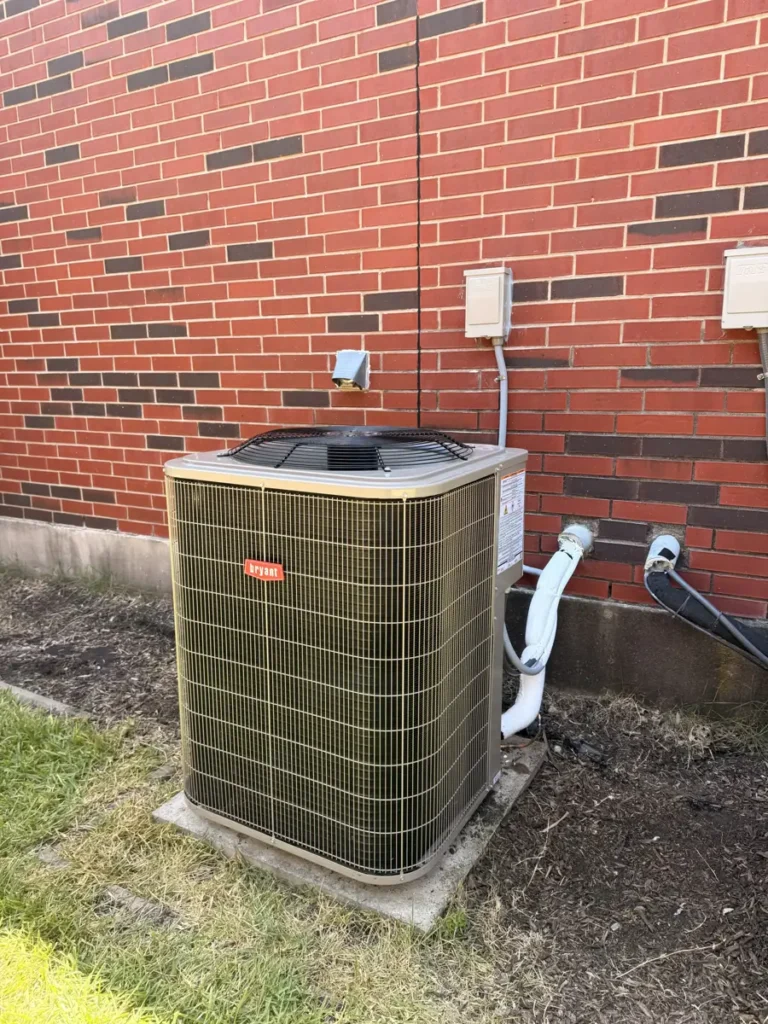
Locate your home’s main breaker box and search for switches labeled “AC,” “Air Handler,” or “Condenser.” Even if a breaker does not look tripped, push it firmly to the “Off” position and snap it back to “On.” In addition, check the outdoor disconnect box mounted on the exterior wall next to the condenser to confirm that the pull-out disconnect handle or internal cartridge fuses have not blown.
Clogged Drain Lines and Tripped Safety Float Switches
One of the most frequent reasons for an abrupt, complete cooling shutdown in Central Texas is a tripped condensate overflow safety switch. During high-humidity summer days, your indoor coil removes gallons of water from the air each afternoon.
Algae, dust, and slime frequently accumulate inside the white PVC drain line over time. When the drain line backs up, water fills the drain pan beneath the indoor unit. A small float switch rises with the water level and instantly cuts low-voltage power to the outdoor compressor to prevent ceiling collapses and floor flooding. Clearing the PVC line with a wet/dry shop vacuum often drains the pan and resets the switch.
Common Component Failures Behind an AC Not Working Pflugerville Home
If power is active and safety switches are clear, the failure usually lies within critical electromechanical components inside the equipment itself.
Blown Dual-Run Capacitors
The outdoor capacitor provides the electrical jolt required to spin the compressor and fan motor. If the capacitor fails from heat exhaustion, the unit may emit a dull humming or buzzing sound but cannot physically spin the motor, eventually tripping internal thermal overloads.
Burned Contactor Relays
The contactor acts as a magnetic switch that channels 240 volts of electricity to the condenser. Lizards, ants, and electrical arcing can weld or block these contact points, preventing the system from engaging when the thermostat calls for cooling.
Blower Motor vs. Compressor: Pinpointing Which Half Failed
Determining whether the indoor or outdoor half of your system has failed provides valuable diagnostic clarity before a service technician arrives at your door.
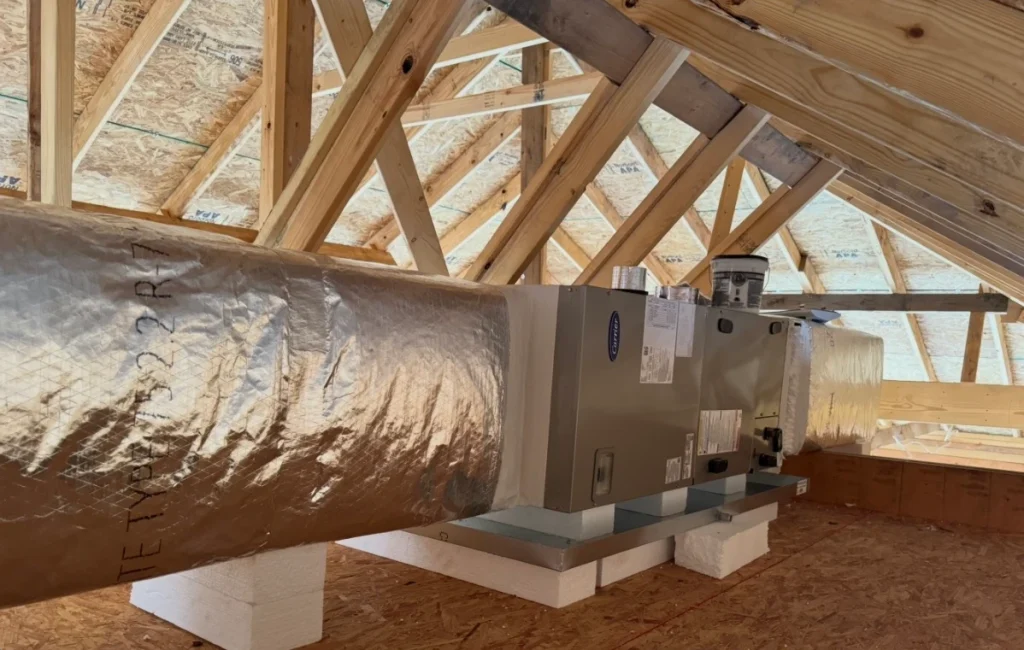
If the outdoor unit is running smoothly but no air is blowing through your interior ceiling vents, the problem is isolated to your indoor blower motor, run capacitor, or furnace control board. Conversely, if you feel gentle, room-temperature air circulating from the vents while the outdoor unit is dead silent, the issue resides in the outdoor condenser, contactor, or high-pressure safety switch.
Safety Precautions Homeowners Must Take Before Calling for Service
While checking filters, batteries, and breakers is safe for homeowners, delving deep into electrical panels or handling high-voltage wiring carries serious safety risks.
According to safety and efficiency guidelines outlined in the Department of Energy Heating and Cooling Standards, residential cooling equipment contains hazardous high-voltage electrical circuits and pressurized chemical refrigerants that should only be diagnosed and serviced by EPA-certified technicians. If basic checks do not resolve the issue, turn the system off at the thermostat to protect expensive components from further stress while awaiting expert repair.
Why Honest Engineering Diagnostics Beat High-Pressure Sales
When your air conditioner goes down in extreme heat, you are at your most vulnerable as a consumer. Unfortunately, corporate high-volume HVAC operations often use these moments to push aggressive, costly replacements when all you really need is a simple capacitor or contactor repair.
Working with an independent, local specialist guarantees diagnostic integrity. If your cooling system has stopped completely, reach out to our team for fast, honest emergency AC repair Pflugerville TX homeowners trust for lasting comfort.
Next Steps
Experiencing an ac not working pflugerville breakdown during peak heat is undoubtedly stressful, but taking prompt, systematic diagnostic steps can quickly isolate the problem. By checking your thermostat batteries, resetting tripped electrical breakers, and inspecting your condensate safety float switch, you can often solve simple lockouts immediately. When mechanical or electrical parts fail, On Air HVAC provides fast, transparent diagnostics and dependable repairs across Northern Travis and Williamson Counties. Call our master technicians today at (512) 598-1315 for prompt local service dispatch.