
Texas summers are known for their intense temperatures, high humidity levels, and long periods of extreme heat. For homeowners in Austin, keeping indoor spaces comfortable during these conditions often means relying heavily on their HVAC systems. When temperatures consistently climb into the triple digits, even a well-functioning system can face significant strain.
Following practical Texas summer HVAC tips can help homeowners improve cooling performance, reduce energy bills, and prevent unexpected breakdowns during the hottest months of the year. Proper preparation and maintenance can make a significant difference in both comfort and system longevity.
Companies like OnAir HVAC regularly help Austin homeowners prepare their heating and cooling systems for demanding Texas weather conditions.
Why Texas Heat Is Hard on HVAC Systems
The summer climate in Texas places unique demands on air conditioning systems. Unlike regions with occasional heat waves, Texas often experiences prolonged periods of extreme temperatures.
During these conditions, HVAC systems run longer cycles and work harder to maintain comfortable indoor temperatures. This increased workload can lead to higher energy consumption, greater wear and tear, and a greater risk of equipment failure.
Understanding how extreme heat affects your HVAC system is the first step toward improving performance and reliability.
Replace Air Filters Regularly
One of the most important Texas summer HVAC tips is replacing air filters consistently.
Dirty air filters restrict airflow, forcing the system to work harder than necessary. Reduced airflow can lead to:
- Higher energy bills
- Poor cooling performance
- Increased system strain
- Reduced indoor air quality
During peak summer months, homeowners should inspect filters monthly and replace them as needed.
A clean filter helps improve efficiency and allows conditioned air to circulate properly throughout the home.
Keep Outdoor Units Clean
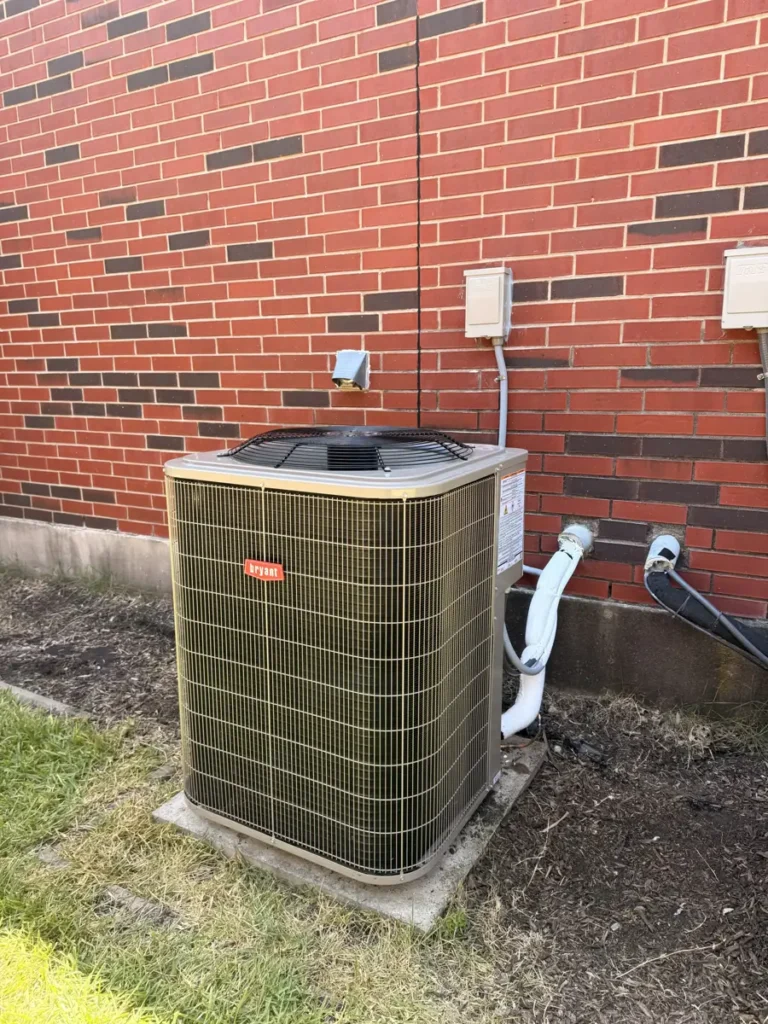
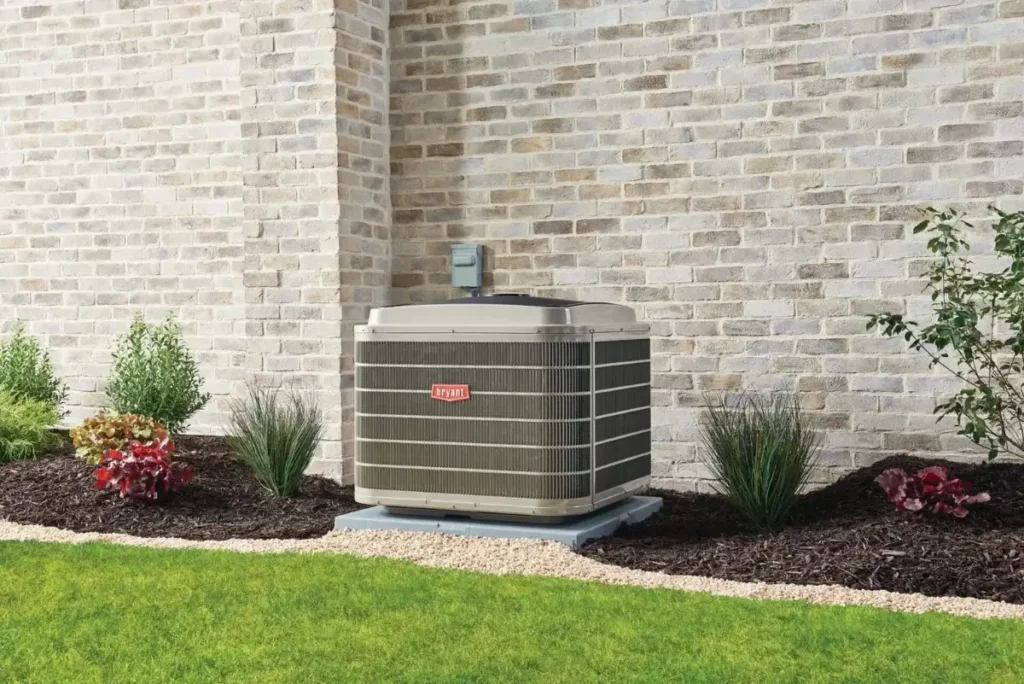
The outdoor condenser unit plays a critical role in removing heat from your home.
When dirt, grass, leaves, and debris accumulate around the unit, airflow becomes restricted. This can reduce efficiency and increase operating costs.
Homeowners should:
- Remove vegetation near the unit
- Keep the area clear of debris
- Gently rinse dirt from condenser coils
Maintaining proper airflow helps the system perform more effectively during Austin’s hottest days.
Schedule Preventive Maintenance
Routine maintenance is one of the most effective ways to prepare for extreme summer temperatures.
Professional inspections help identify:
- Worn components
- Refrigerant issues
- Electrical concerns
- Airflow restrictions
Small issues that go unnoticed can become major repairs during periods of heavy system use.
Regular HVAC Services help ensure your system operates efficiently throughout the summer season.
Check Thermostat Settings
Many homeowners overlook the impact thermostat settings have on energy usage.
Setting temperatures too low forces the HVAC system to run continuously, increasing wear and utility costs.
Energy experts generally recommend maintaining comfortable but reasonable temperature settings when at home and slightly higher settings when away.
Smart thermostats can further improve efficiency by automatically adjusting temperatures based on occupancy patterns.
Seal Air Leaks
Even the most efficient HVAC system struggles when conditioned air escapes through gaps and leaks.
Common areas to inspect include:
- Doors
- Windows
- Attic access points
- Utility penetrations
Sealing leaks helps keep cool air inside and reduces unnecessary strain on the HVAC system.
This simple improvement often results in noticeable energy savings.
Use Ceiling Fans Effectively
Ceiling fans do not lower room temperatures, but they help circulate air and create a cooling effect.
Proper fan use can make rooms feel several degrees cooler, allowing homeowners to raise thermostat settings without sacrificing comfort.
This reduces HVAC workload and lowers cooling costs.
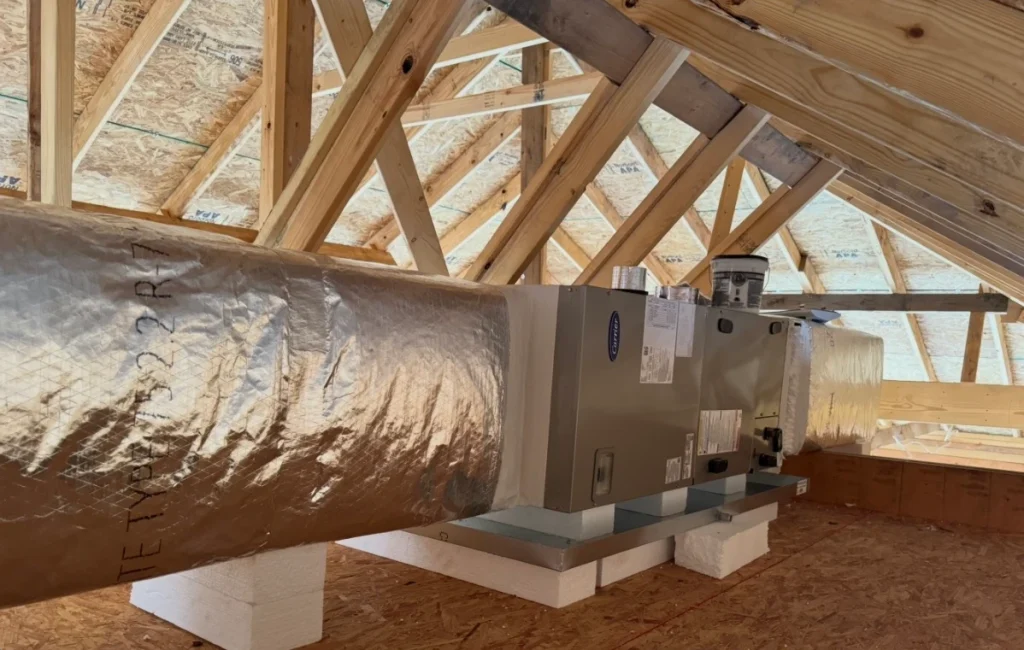
Improve Attic Insulation
Attics can become extremely hot during Texas summers.
Without adequate insulation, heat transfers into living spaces and increases cooling demands.
Upgrading insulation helps:
- Reduce heat gain
- Improve comfort
- Lower energy consumption
- Support HVAC efficiency
Proper insulation works together with your HVAC system to maintain stable indoor temperatures.
Avoid Heat Buildup Indoors
Many household activities generate heat that impacts cooling performance.
Cooking, running dryers, and using certain appliances during peak afternoon hours can increase indoor temperatures.
Whenever possible:
- Use appliances during cooler periods
- Close blinds during sunny hours
- Limit unnecessary heat-generating activities
These steps help reduce the burden placed on your HVAC system.
Monitor Warning Signs
Even with proper maintenance, systems may develop issues over time.
Watch for:
- Uneven cooling
- Weak airflow
- Unusual noises
- Frequent cycling
- Rising utility bills
Addressing concerns early can prevent larger problems during periods of extreme heat.
Why Professional HVAC Care Matters
Professional service helps ensure your system remains prepared for Texas weather.
Experienced technicians can identify efficiency issues, inspect critical components, and recommend improvements that support long-term performance.
OnAir HVAC helps homeowners throughout Austin maintain reliable cooling systems that can handle demanding summer conditions.
Conclusion
Following these Texas summer HVAC tips can help Austin homeowners stay comfortable while reducing energy costs and minimizing system strain. From changing filters and sealing air leaks to scheduling maintenance and improving insulation, small actions can make a significant difference.
Extreme Texas heat is unavoidable, but with proper preparation and professional support, homeowners can keep their HVAC systems running efficiently throughout the hottest months of the year.