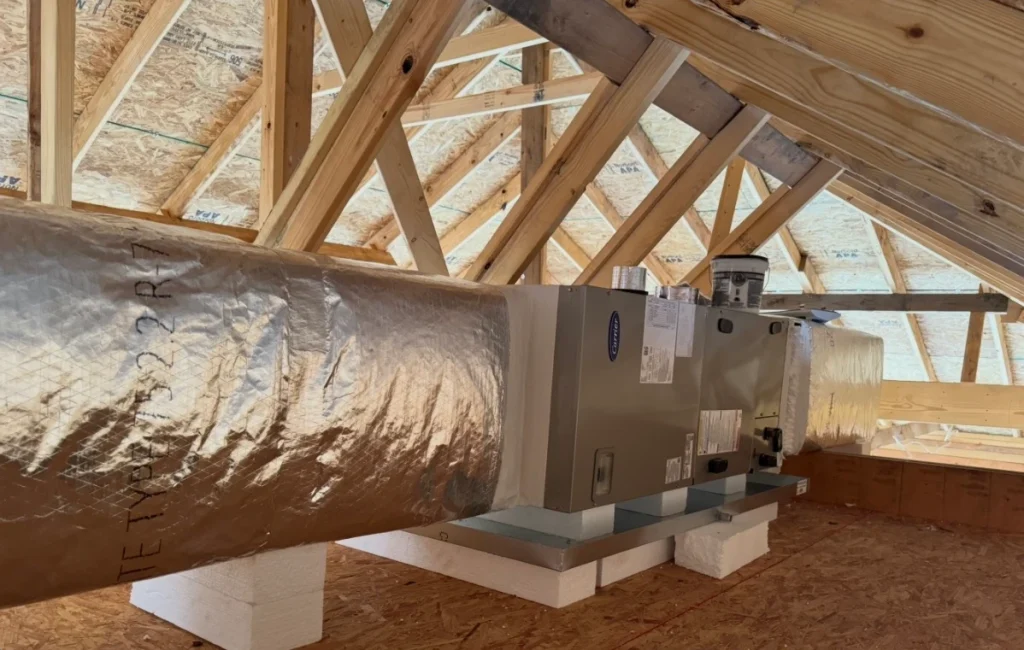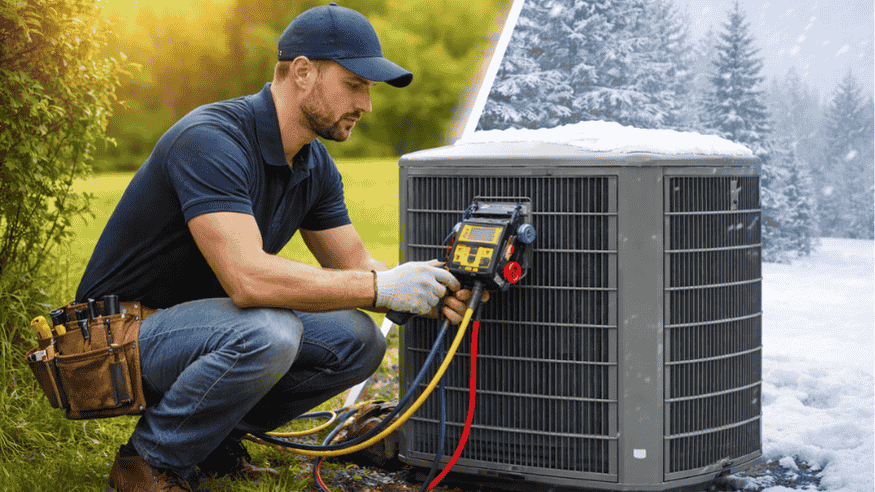
Extreme weather is becoming more common, especially in Texas, where homeowners face scorching summers, sudden cold snaps, high humidity, and unpredictable temperature changes. During these conditions, heating and air conditioning systems are pushed to their limits. Without proper care and preparation, comfort drops quickly—and energy bills rise just as fast.
The good news is that with the right approach, it’s possible to stay comfortable year-round, even during extreme weather. Below are practical, easy-to-follow tips that help protect your HVAC system, improve efficiency, and ensure reliable comfort when temperatures hit their peak or drop unexpectedly.
Understand How Extreme Weather Impacts HVAC Systems
Extreme heat forces air conditioners to run longer cycles, increasing wear on compressors, motors, and electrical components. Cold weather, on the other hand, can strain heating systems, especially if filters are dirty or airflow is restricted.
When heating and air conditioning systems are not properly maintained, extreme weather can lead to:
- System breakdowns
- Reduced airflow
- Uneven temperatures
- Higher energy consumption
- Emergency repairs
Preparing your system before extreme conditions arrive is the most effective way to avoid these issues.
Schedule Seasonal HVAC Maintenance
Routine maintenance is one of the most important steps for staying comfortable in extreme weather. A professional tune-up ensures that all components are clean, calibrated, and operating efficiently.
Seasonal maintenance typically includes:
- Cleaning coils and blower components
- Inspecting electrical connections
- Checking refrigerant levels
- Testing heating elements and safety controls
- Verifying airflow and thermostat accuracy
Having an experienced hvac technician inspect your system before peak seasons reduces the chance of unexpected failures when the weather is most demanding.
Change Air Filters Regularly
Dirty air filters restrict airflow, forcing HVAC systems to work harder. During extreme heat or cold, this extra strain can significantly reduce performance.
Replacing or cleaning filters every 30–60 days helps:
- Improve airflow
- Maintain consistent temperatures
- Reduce dust and allergens
- Lower energy usage
Clean filters allow your heating and air conditioning system to respond faster and more effectively to temperature changes.
Use Thermostat Settings Wisely
Thermostat management plays a major role in comfort and efficiency. Sudden temperature adjustments force systems to work harder, especially during extreme weather.
Helpful thermostat tips include:
- Avoid drastic temperature changes
- Use programmable or smart thermostats
- Set realistic temperature goals
- Maintain steady indoor temperatures
Small adjustments help reduce stress on your system while keeping indoor comfort stable.
Seal Air Leaks and Improve Insulation
Even the best HVAC system struggles if conditioned air escapes through leaks. Poor insulation allows heat to enter during summer and escape during winter, making it harder to maintain comfort.
Check for:
- Gaps around doors and windows
- Leaks in ductwork
- Poor attic insulation
- Unsealed wall penetrations
Sealing leaks and upgrading insulation reduces workload on heating and air conditioning systems and keeps indoor temperatures consistent.
Keep Outdoor Units Clear and Protected
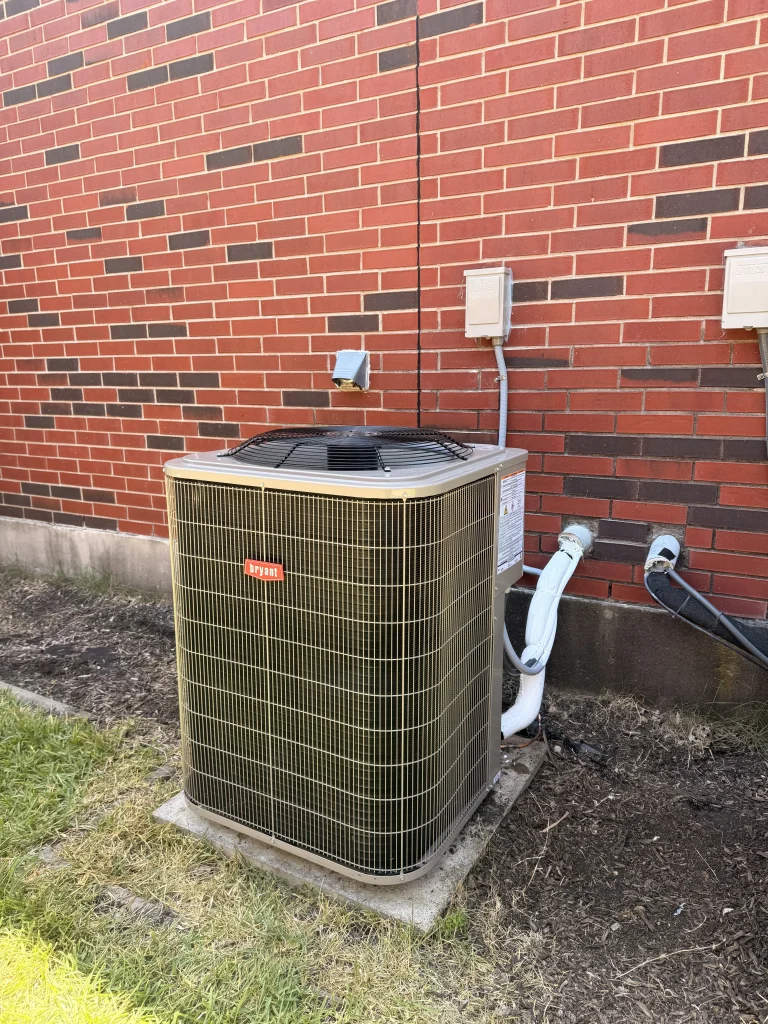
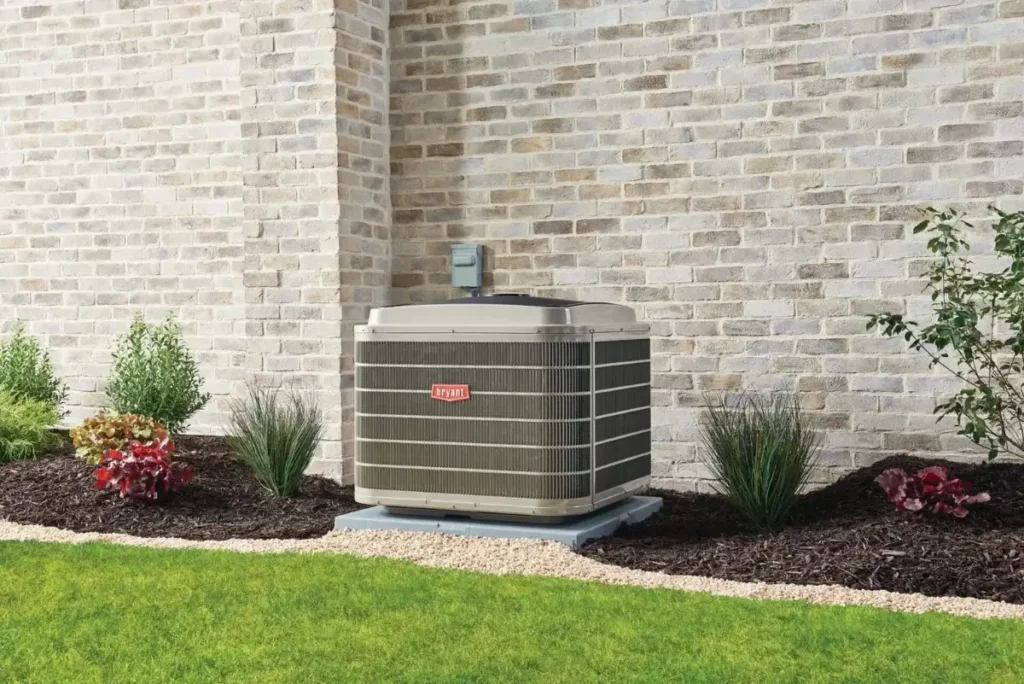
Outdoor AC units and heat pumps need proper airflow to function efficiently. Debris buildup can reduce performance, especially during extreme weather.
Make sure to:
- Clear leaves, dirt, and grass clippings
- Maintain at least two feet of clearance
- Avoid placing objects around the unit
- Gently rinse coils if dirt accumulates
A clean outdoor unit allows heat to dissipate properly, improving cooling efficiency during high temperatures.
Prepare for Power Outages and Emergencies
Extreme weather often brings storms, which can cause power outages and system interruptions. Being prepared helps minimize discomfort and prevent damage.
Helpful steps include:
- Installing surge protectors
- Turning off HVAC systems during outages
- Scheduling inspections after severe storms
- Having emergency contact information ready
In case of a system failure during extreme temperatures, having access to emergency hvac services can prevent prolonged discomfort and protect indoor safety.
Monitor Indoor Humidity Levels
High humidity makes hot temperatures feel even worse, while low humidity during winter can cause dryness and discomfort. HVAC systems play a major role in managing indoor moisture.
Balanced humidity helps:
- Improve comfort
- Prevent mold growth
- Protect furniture and flooring
- Reduce respiratory irritation
If humidity feels consistently uncomfortable, a system evaluation or additional humidity control solutions may be needed.
Avoid Overworking the System
During extreme weather, it’s tempting to push HVAC systems to their limits. However, overworking the system increases the risk of breakdowns.
Avoid:
- Setting temperatures too low or too high
- Blocking vents
- Ignoring warning signs like noises or odors
- Skipping maintenance
Allowing the system to operate efficiently rather than aggressively extends its lifespan and improves reliability.
Know When to Call a Professional
Strange sounds, uneven temperatures, weak airflow, or sudden spikes in energy usage often indicate underlying issues. Ignoring these signs during extreme weather can lead to system failure.
Professional service ensures problems are addressed before they escalate into major repairs. Reliable Air Conditioning and Heating Services in Texas help keep systems operating safely and efficiently during demanding conditions.
Long-Term Comfort Starts with Professional Support
Extreme weather is unavoidable, but discomfort doesn’t have to be. A trusted HVAC Contractor can provide preventive maintenance, timely repairs, and system recommendations tailored to climate conditions.
Professional support ensures:
- Faster response times
- Proper system sizing and setup
- Improved efficiency
- Safer operation
With expert care, heating and air conditioning systems are better equipped to handle temperature extremes.
Final Thoughts
Staying comfortable during extreme weather requires preparation, regular maintenance, and smart system usage. Simple actions—like replacing filters, managing thermostat settings, and scheduling professional inspections—make a significant difference in performance and comfort.
By taking proactive steps and working with experienced professionals, homeowners can maintain reliable comfort no matter how intense the weather becomes.
For dependable service, expert maintenance, and reliable support during extreme conditions, trust ON AIR HVAC to keep heating and air conditioning systems running efficiently and safely all year long.