Comfort is one of the most important aspects of any home. Whether it’s the peak of summer or the middle of winter, homeowners want their indoor environment to feel pleasant, healthy, and consistent. Unfortunately, many people experience issues such as uneven temperatures, poor air quality, excessive humidity, and rising energy bills without realizing there are practical solutions available.
Understanding how to improve indoor comfort can help homeowners create a healthier and more enjoyable living environment throughout the year. Indoor comfort goes beyond temperature control. It involves proper airflow, humidity management, air quality, insulation, and HVAC performance working together as a complete system.
For homeowners in Austin, where weather conditions can vary significantly throughout the year, maintaining indoor comfort requires a proactive approach.
Why Indoor Comfort Matters
Indoor comfort affects more than convenience. It can influence health, productivity, sleep quality, and overall well-being.
When indoor environments are uncomfortable, homeowners may experience:
- Difficulty sleeping
- Increased allergies
- Poor concentration
- Higher stress levels
Creating a comfortable indoor environment supports a healthier and more enjoyable lifestyle.
Maintain Your HVAC System
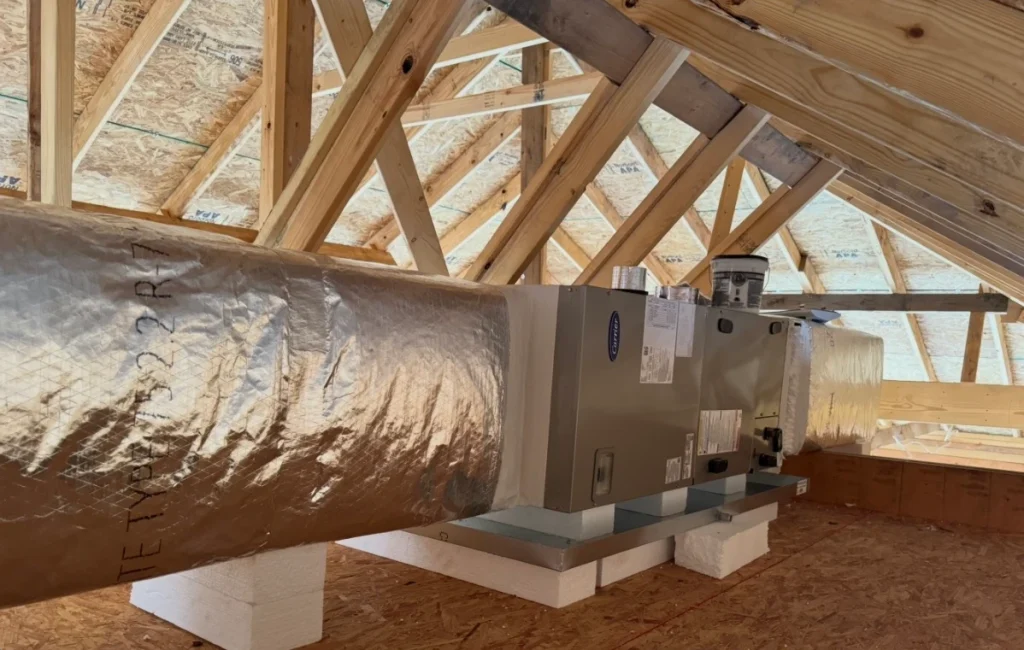
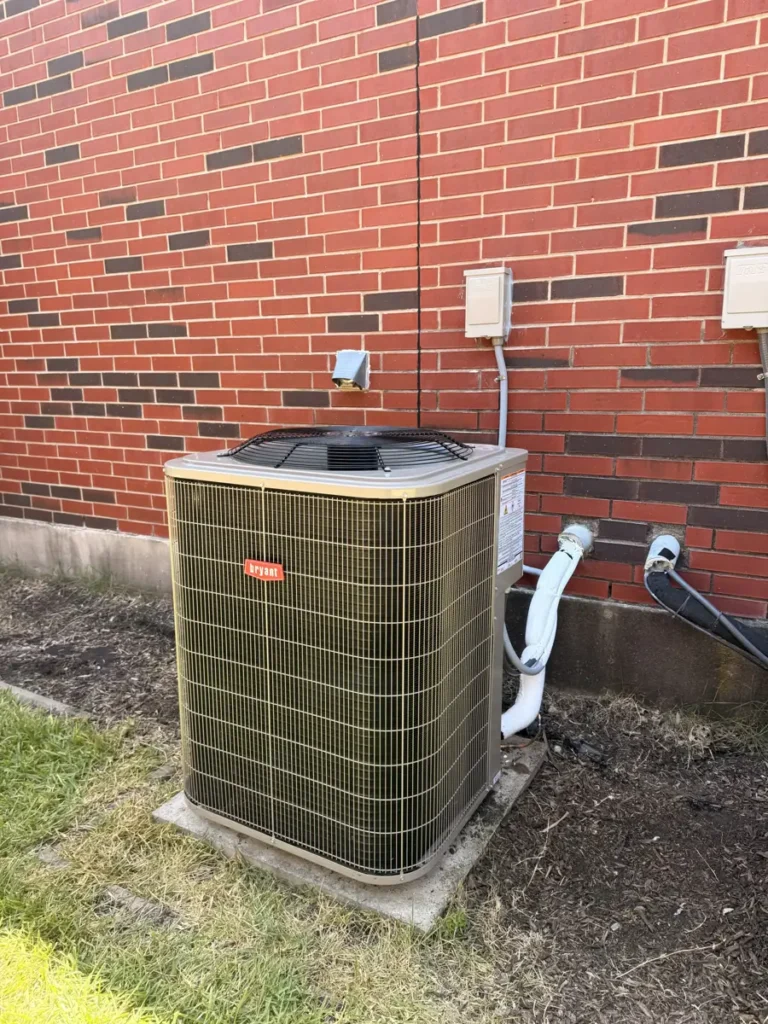
One of the most effective ways to improve indoor comfort is ensuring your HVAC system operates efficiently.
An HVAC system is responsible for:
- Heating
- Cooling
- Air circulation
- Humidity management
Routine maintenance helps keep the system performing properly while reducing the likelihood of unexpected breakdowns.
Regular inspections also allow technicians to identify potential issues before they affect comfort levels.
Improve Indoor Air Quality
Indoor air quality plays a significant role in overall comfort.
Dust, allergens, pet dander, mold spores, and airborne pollutants can negatively impact the indoor environment.
Poor air quality may contribute to:
- Allergy symptoms
- Respiratory irritation
- Fatigue
- Unpleasant odors
Investing in Indoor Air Quality Solutions can help remove contaminants and create a cleaner, healthier home environment.
Balance Humidity Levels
Humidity affects how indoor temperatures feel.
Excess humidity can make rooms feel warmer than they actually are, while low humidity may cause dryness and discomfort.
Maintaining balanced humidity levels improves comfort and helps protect furnishings, flooring, and other materials throughout the home.
Modern HVAC systems and humidity control solutions can help maintain ideal indoor conditions year-round.
Upgrade Air Filtration
Air filters do more than protect HVAC equipment.
High-quality filtration systems help capture airborne particles that contribute to poor indoor air quality.
Regularly replacing filters improves airflow and supports healthier indoor environments.
Clean filters also help HVAC systems operate more efficiently.
Address Uneven Temperatures
Many homeowners struggle with rooms that are consistently warmer or cooler than others.
Common causes include:
- Poor airflow
- Inadequate insulation
- Ductwork issues
- Improper system sizing
Addressing these issues helps create more consistent temperatures throughout the home.
Improve Home Insulation
Insulation acts as a barrier that reduces heat transfer between indoor and outdoor environments.
Proper insulation helps:
- Maintain stable temperatures
- Reduce HVAC workload
- Lower energy bills
- Improve year-round comfort
Homes with inadequate insulation often experience greater temperature fluctuations and reduced efficiency.
Seal Drafts and Air Leaks
Air leaks allow conditioned air to escape while letting outdoor air enter the home.
Common leak locations include:
- Windows
- Doors
- Attics
- Utility penetrations
Sealing these gaps improves efficiency and helps maintain consistent indoor temperatures.
Use Smart Thermostat Technology
Smart thermostats offer advanced temperature management features that help optimize comfort and energy use.
These systems can:
- Learn household schedules
- Adjust temperatures automatically
- Improve efficiency
- Provide better control
Many homeowners find smart thermostats helpful for maintaining comfort throughout changing seasons.
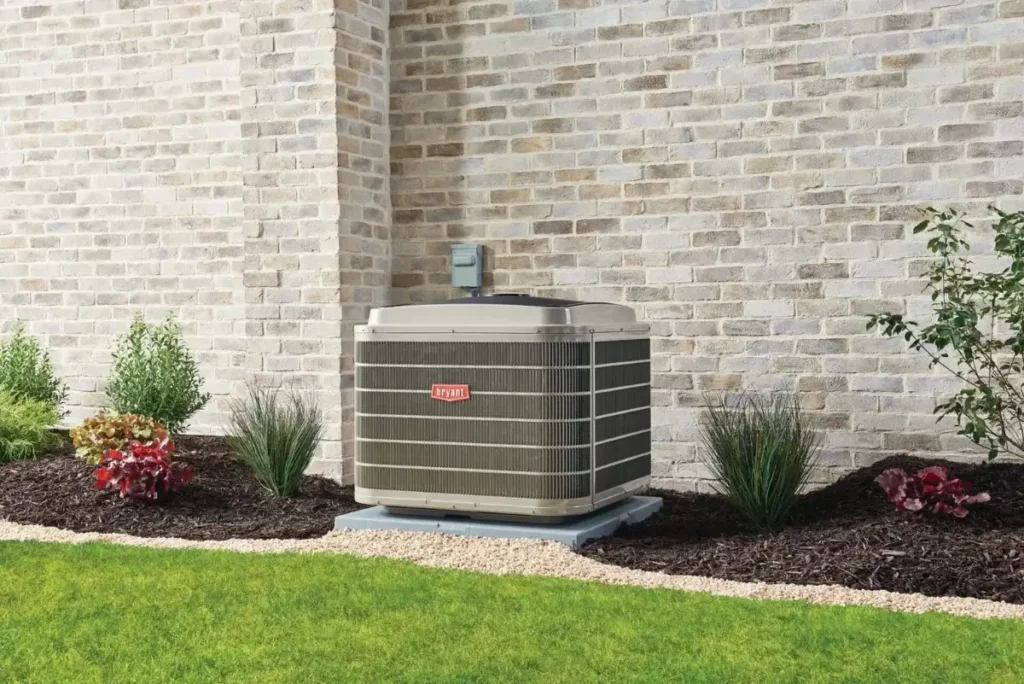
Consider HVAC Upgrades
Older HVAC systems often struggle to maintain optimal indoor conditions.
Modern equipment provides:
- Better efficiency
- Improved airflow
- Enhanced humidity control
- More consistent temperatures
Upgrading aging equipment can significantly improve comfort and reduce operating costs.
The Role of Professional HVAC Services
While some improvements can be handled independently, professional evaluations often uncover hidden issues affecting comfort.
Experienced technicians can assess:
- System performance
- Airflow
- Indoor air quality
- Energy efficiency
OnAir HVAC helps Austin homeowners identify solutions that support long-term comfort and HVAC performance.
Conclusion
Learning how to improve indoor comfort involves more than adjusting thermostat settings. Indoor comfort depends on multiple factors working together, including HVAC performance, air quality, humidity control, insulation, and airflow.
By taking proactive steps and working with trusted professionals when needed, Austin homeowners can enjoy healthier, more comfortable living spaces throughout every season of the year.